If you want a premium result for your McKinney home, great timing alone is not enough. In today’s market, buyers have options, and that means your home has to feel polished, well-cared-for, and worth the price from the very first click. The good news is that you do not need a dramatic overhaul to make that happen. With the right preparation, presentation, and pricing strategy, you can create stronger interest and put your home in a better position to sell well. Let’s dive in.
McKinney market conditions matter
If you are planning to sell in McKinney, it helps to start with the reality of the current market instead of last year’s expectations. Recent data shows a more balanced environment, with Redfin reporting a median sale price of $509,737 over the three months ending April 2026, about 54 average days on market, and roughly two offers per home. Realtor.com also described McKinney as a buyer’s market in March 2026, with about 2,522 homes for sale, a $525,000 median list price, 33 median days on market, and a 98% sale-to-list ratio.
The exact numbers vary by source because they track different time periods and measurements. Still, the larger message is clear. McKinney is not a scarcity-driven market right now, so buyers can be more selective.
That is especially important if your home is positioned as a move-up or premium listing. When buyers have choices, presentation has to support value immediately. A home that looks current, clean, and easy to move into is better placed to capture early attention.
Why presentation drives perceived value
In a balanced market, buyers often compare several homes before making an offer. If your home feels dated, cluttered, or unfinished, it may not command the same confidence as a nearby listing that feels more polished. That difference can affect both showing activity and negotiation strength.
Presentation is not about making your home look generic. It is about helping buyers see condition, care, and livability without distraction. For a premium sale, that usually means focusing on the details that shape first impressions online and in person.
Staging helps buyers connect
Staging can make a real difference in how buyers respond. According to NAR’s 2025 staging report, 29% of seller agents said staging led to a 1% to 10% increase in the dollar value offered, and 49% said it reduced time on market. On the buyer side, 83% of buyer agents said staging made it easier for buyers to picture the home as their future residence.
That matters because buyers are not just evaluating square footage or finishes. They are also reacting to how the space feels. If a room appears balanced, bright, and functional, buyers can connect with it faster.
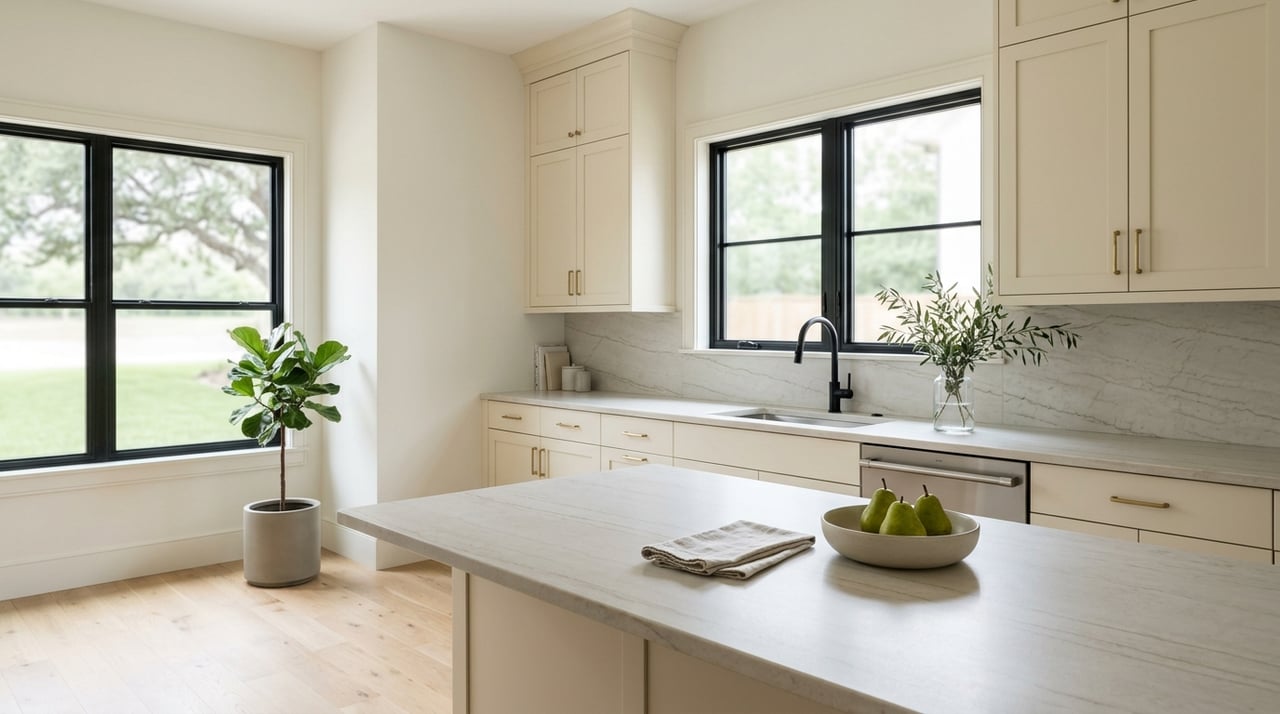
The same report showed the most important rooms to stage were the living room, primary bedroom, and kitchen. Those are also the spaces buyers tend to remember most. If you want a high-return prep plan, start there.
Selective staging often makes sense
Not every home needs full-service staging in every room. NAR’s findings also support a more practical approach that focuses on decluttering and correcting visible issues rather than creating a major makeover. In many cases, selective staging and thoughtful editing can deliver a strong result without overspending.
This is where strategy matters. A premium presentation plan should match your home’s price point, condition, and likely buyer expectations. The goal is not to do the most work possible. The goal is to do the right work in the right places.
Curb appeal shapes the first impression
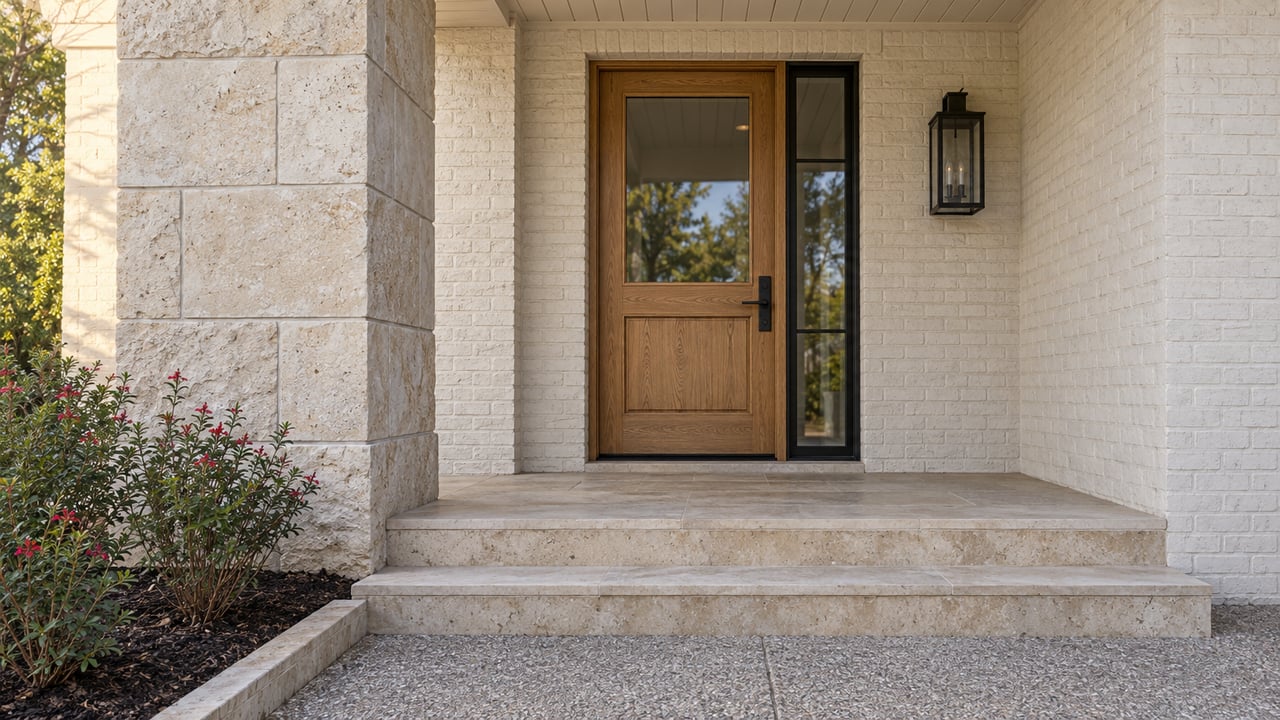
Before buyers ever step inside, they start forming an opinion from the exterior. That first impression happens in listing photos, while driving up, and even while deciding whether the showing feels worth the time. A neglected exterior can create doubts about how the rest of the home has been maintained.
Zillow notes that poor curb appeal can even lead buyers to cancel a showing. On the other hand, a clean and maintained exterior sends a simple but powerful message: this home has been cared for.
NAR’s 2025 outdoor-features report reinforces that point. It found that 92% of REALTORS suggested improving curb appeal before listing, while 97% said curb appeal is important in attracting a buyer and 98% said it is important to a potential buyer.
Curb appeal updates worth considering
For many McKinney sellers, curb appeal improvements do not need to be dramatic. What matters most is clean, current, and well-kept.
A practical list may include:
- Fresh mulch or seasonal landscaping cleanup
- Trimmed shrubs and edged lawns
- Pressure washing walkways and exterior surfaces
- Touch-up paint at the front door or trim
- Updated exterior lighting if fixtures look dated
- Clean windows and a tidy entryway
Zillow and Thumbtack found that sellers who hired professionals to prepare a home for listing spent an average of $5,380, with some of that budget going toward lawn care and gardening. That does not mean you need to spend that exact amount. It does suggest that visible exterior improvements are often part of a serious listing strategy.
Light updates can lift the whole home
If you are deciding where to invest before listing, visible and broadly appealing updates usually offer the clearest payoff. In a market where buyers have options, simple improvements can help your home feel more current and easier to move into.
NAR’s 2025 remodeling report found that REALTORS most often recommend painting the entire home, painting one room, and new roofing before selling. It also reported increased demand for kitchen upgrades, new roofing, and bathroom renovation.
That does not mean every seller should take on a large project. It means buyers are paying attention to the features that affect daily use and overall condition. If your finishes are heavily personalized or visibly worn, a lighter refresh may support a stronger result.
Updates that tend to feel worthwhile
If your goal is a premium sale, focus on changes that improve appeal without making the home feel overdesigned for the neighborhood or price range.
Good candidates often include:
- Neutral interior paint where walls feel bold or tired
- Minor kitchen improvements such as updated hardware or lighting
- Bathroom touch-ups that improve cleanliness and freshness
- Replacing worn carpet or damaged flooring in key areas
- Addressing roof concerns if the condition is a likely buyer objection
The key is to think like a buyer. Most buyers will pay more comfortably for a home that feels move-in ready than one that looks like a project from day one.
Photography is part of the product
Most buyers begin their search online, so your listing photos do much more than document the home. They shape the first showing decision. If the photography is weak, dark, or incomplete, buyers may scroll past before they ever learn what makes your home special.
NAR says 81% of buyers rated listing photos as the most useful feature during the online search process. That makes photography one of the most important parts of your launch, especially for a premium listing.
Zillow’s guidance adds useful context. The ideal range is 22 to 27 photos, and homes with fewer than nine photos are about 20% less likely to sell within 60 days. Zillow also reports that homes with a 3D Home tour received 37% more views and went pending 14% faster on average.
Why staging and photography work together
Well-prepared rooms almost always photograph better. Clean lines, edited surfaces, and balanced furniture help a home read clearly on a screen. That is one reason staging and digital marketing are so closely linked.
NAR’s staging research found that buyers were more willing to walk through a home they had seen online, and buyer agents said staging made the home easier to visualize as a future home. In other words, presentation is not separate from marketing. It strengthens marketing.
Pricing still has to fit the market
Even a beautifully presented home can struggle if the price does not align with current buyer expectations. In McKinney, that is a critical part of the conversation right now.
Realtor.com reported that McKinney homes sold for 1.52% below asking on average in March 2026, with a 98% sale-to-list ratio. That suggests presentation can help support value, but it does not erase the need for a realistic and well-positioned price.
If a home enters the market too high, buyers may hesitate, wait, or compare it unfavorably to other options. Once a listing lingers, it can invite skepticism and additional price pressure. In a balanced market, that early window matters.
Why the first launch matters most
Realtor.com’s 2026 seller survey noted that many would-be sellers expected to get asking price or more. At the same time, it warned that sellers in the South and West are often better served by leaning into the spring window early and pricing competitively from the start, because homes that sit can face more reductions later.
That is why premium positioning is not just about finishes or staging. It is also about discipline. A strong launch combines polished presentation with pricing that gives buyers a reason to act.
Timing your McKinney sale strategically
If you are planning ahead, timing can improve your result, especially if it gives you enough runway to prepare properly. Realtor.com’s 2026 research identified April 12 to 18, 2026 as the best week to sell nationally, and the Dallas-Fort Worth-Arlington metro showed the same week start date.
Compared with the start of the year, that week was associated with 5.8% higher listing prices, 23.5% more views per property, 20.0% fewer price reductions, and nine fewer days on market than an average week. While conditions can shift, the pattern supports what many North Texas sellers already sense: early spring often offers a strong window.
Zillow adds two practical insights. Most people start thinking about selling three to four months before they list, and Thursday is the strongest day to launch a listing nationally. For you, the takeaway is simple. If you want a premium result, use the months before list date to prepare instead of rushing the process.
A smart prep plan for a premium sale
If you want your McKinney home to stand out, focus on a process that supports both value and buyer confidence.
A practical prep plan often looks like this:
- Evaluate condition honestly and identify visible distractions.
- Prioritize decluttering, repairs, and cosmetic updates with broad appeal.
- Improve curb appeal so the home feels cared for before buyers enter.
- Stage the most important rooms, especially the living room, primary bedroom, and kitchen.
- Invest in strong photography and digital presentation.
- Set a pricing strategy that matches current McKinney market conditions.
- Launch during a favorable seasonal window when possible.
This kind of preparation is not about perfection. It is about removing friction, strengthening first impressions, and helping buyers feel confident in both the home and the price.
If you are considering a sale in McKinney, the right strategy can help you protect value and create a smoother experience from the start. When you want calm guidance, elevated presentation, and a pricing plan grounded in the local market, Vesta Schneider is here to help.
FAQs
How important is staging for selling a McKinney home?
- Staging can be very helpful because NAR’s 2025 report found that 29% of seller agents saw a 1% to 10% increase in dollar value offered, and 49% said staging reduced time on market.
What rooms matter most when preparing a McKinney home for sale?
- The living room, primary bedroom, and kitchen are especially important because NAR identified them as the top rooms for staging impact.
Does curb appeal really affect a McKinney home sale?
- Yes. Exterior presentation shapes first impressions online and in person, and NAR’s 2025 outdoor-features report found that nearly all surveyed REALTORS viewed curb appeal as important in attracting buyers.
How many listing photos should a McKinney home have?
- Zillow says the ideal range is 22 to 27 photos, which helps buyers understand the home better and can support stronger online engagement.
Can great presentation make up for overpricing a McKinney home?
- No. Strong presentation can improve interest and support value, but McKinney data showing a 98% sale-to-list ratio and average sales below asking suggest pricing still needs to fit the market from day one.
When should you start preparing a McKinney home for sale?
- A good rule is to start planning three to four months ahead so you have time for repairs, staging decisions, photography, and pricing strategy before your target list date.