For the past few years, many buyers felt like they had little choice but to accept a seller’s terms. Homes sold quickly, competition was fierce, and negotiating often wasn’t an option.
Today’s market feels different.
With more homes available and buyers having more choices, negotiations are becoming a normal part of the buying and selling process again. Sellers are finding that being flexible can help attract serious buyers, while builders are offering extra perks to stand out from the competition.
If you’re planning to buy or sell, two words are worth understanding: concessions and incentives.
A seller concession is something the seller agrees to provide during negotiations to help move the transaction forward. This could include helping with closing costs, paying for repairs, or offering a credit toward certain expenses.
An incentive is something a builder or seller promotes upfront to encourage buyers to choose their property. These offers are often advertised before negotiations even begin.
More Sellers Are Willing To Negotiate
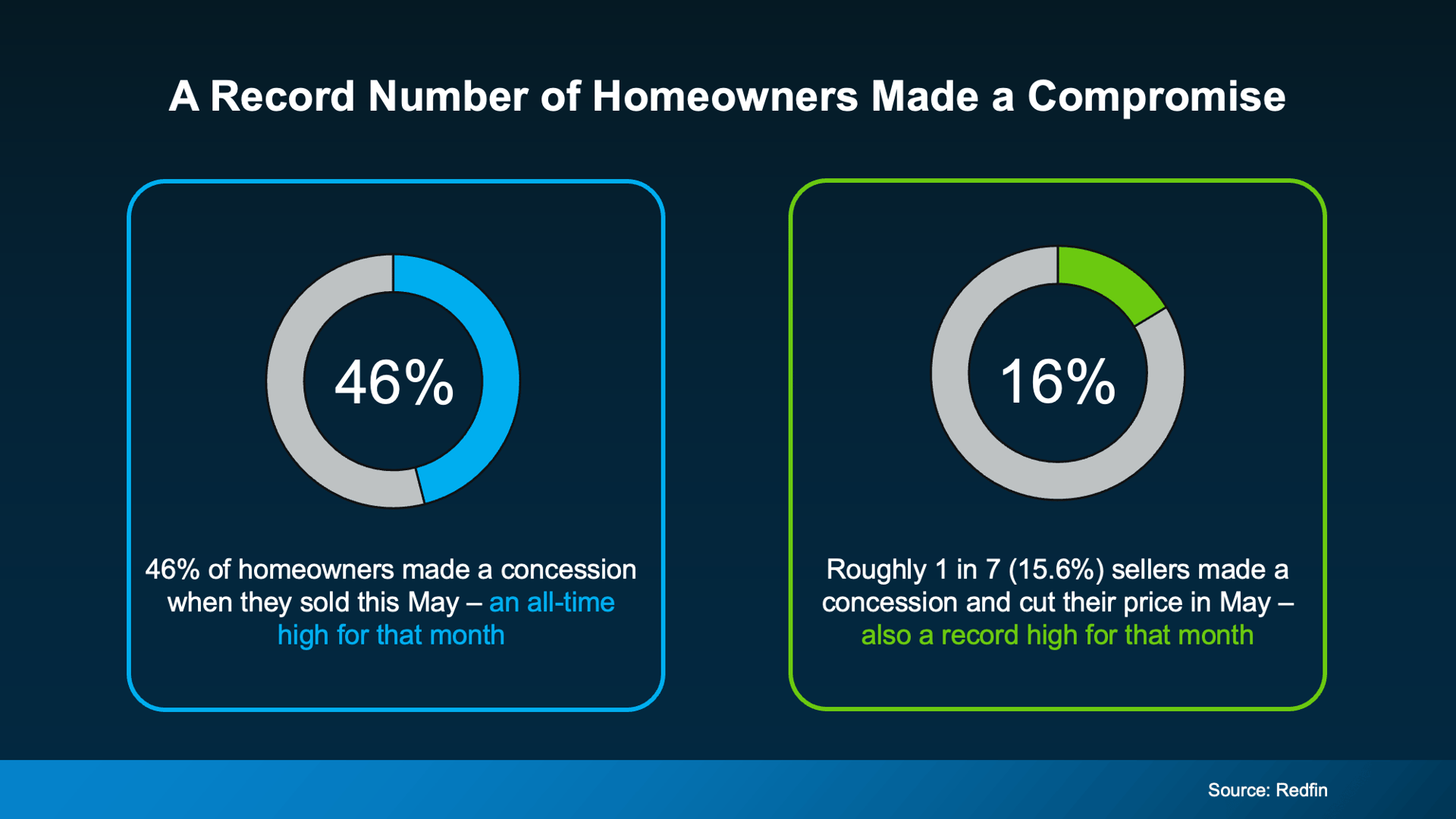
Recent market data shows that seller flexibility is increasing. Nearly half of recent home sellers offered some form of concession to buyers, making it one of the highest levels seen for this time of year.
These concessions can take many forms, including:
- Assistance with closing costs
- Repair credits after inspections
- Home warranty coverage
- Credits that reduce a buyer’s upfront expenses
As inventory grows in many areas, sellers recognize that offering a little more can help keep a transaction together and make their home more attractive compared to competing listings.
Builders Are Competing Too
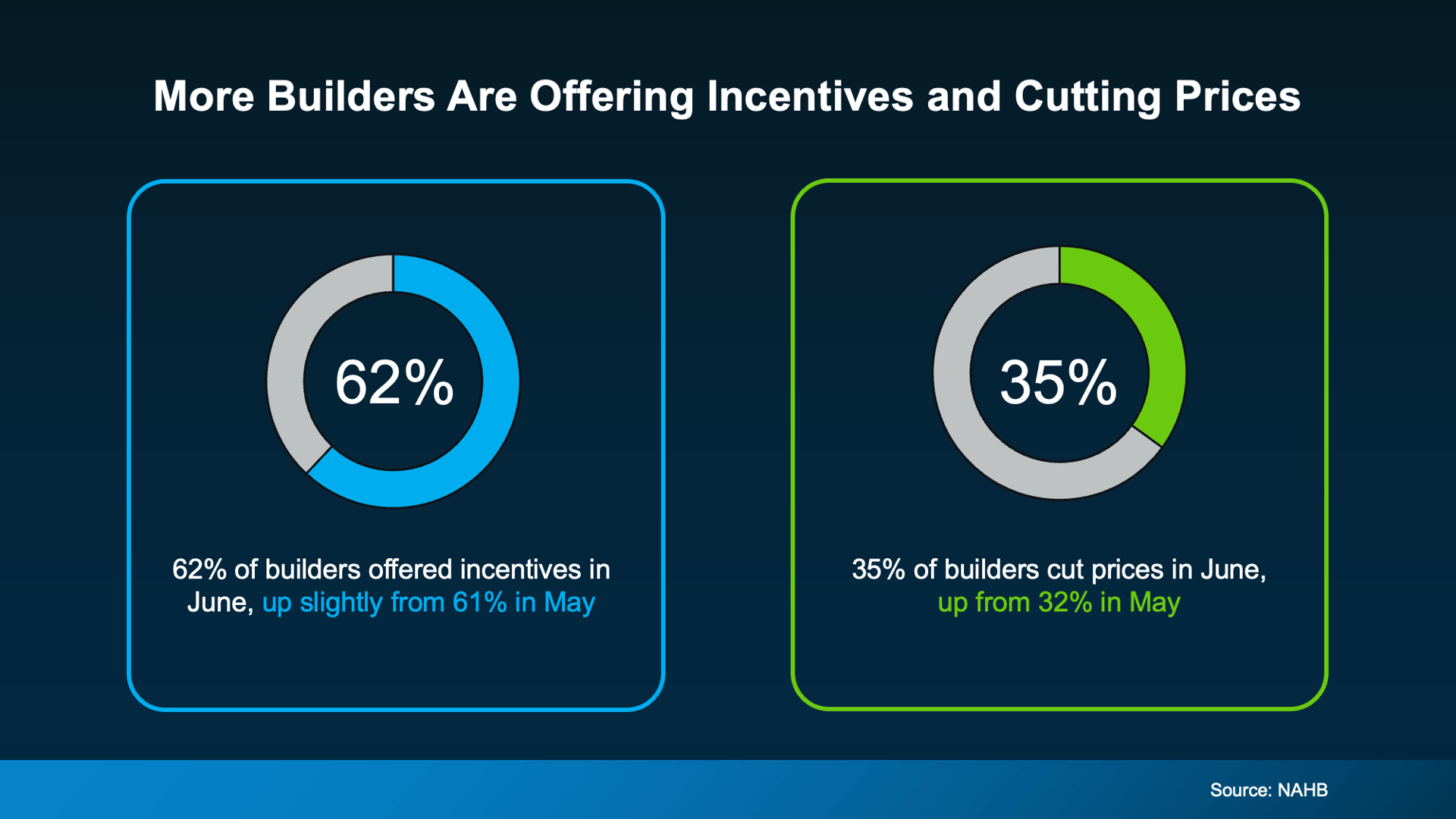
Newly built homes are seeing the same push and pull. According to the National Association of Home Builders (NAHB), 62% of builders are offering incentives right now. And about 35% are cutting prices outright (see chart below):
Some of the most common builder incentives include:
- Price adjustments
- Mortgage rate buydowns
- Upgraded flooring, appliances, or finishes
- Assistance with closing costs
As Danielle Hale, Chief Economist at Realtor.com, explains:
“New construction has been one of the steadiest parts of the housing market over the past few years, but builders are clearly responding to today’s affordability pressures and higher levels of existing-home inventory.”
Builders have consistently offered incentives for well over a year, showing that these promotions have become an important strategy for helping buyers overcome affordability challenges.
What Buyers Should Know
If you’re shopping for a home, don’t assume the list price is the only thing open for discussion.
Depending on the property, you may be able to negotiate assistance with closing costs, request repairs, ask for upgraded features, or even explore financing incentives that lower your monthly payment.
Every situation is different, but asking the question could save you thousands of dollars.
What Sellers Should Know
If you’re preparing to sell, flexibility can make a big difference.
Today’s buyers are comparing more homes than they were just a year ago. Offering a reasonable concession doesn’t necessarily mean accepting a lower overall value. In many cases, it helps keep qualified buyers interested and prevents deals from falling apart during negotiations.
The key is understanding what buyers in your local market are expecting so you can negotiate strategically without giving away more than necessary.
Bottom Line
The housing market is becoming more balanced, and negotiations are playing a much bigger role than they have in recent years.
For buyers, that can create opportunities to lower upfront costs or receive valuable incentives. For sellers, knowing when and where to be flexible can help your home sell more efficiently.
If you’re wondering what kinds of concessions or incentives are common in your area, let’s talk about what’s happening in your local market and build a strategy that works for your goals.